
Bsl Laboratories - Iii And Iv
Advanced biosafety labs designed for high-containment research, ensuring maximum protection, regulatory compliance, and operational efficiency.
Bsl Laboratories - Iii & Iv
BSL Overview
In the present zoonotic nature of the many existing, emerging, and reemerging diseases like Avian Influenza, rabies, Tuberculosis, Anthrax, Brucellosis, and Leptospirosis, Bio-safety and Biosecurity is of the utmost importance for developing countries, it becomes essential to have such laboratories to contain the spread of diseases of unknown and known origins.
Project understanding
Setting up a new BSL ¾ Laboratory as per the guideline of WHO/USFDA/EN for handling high individual risk and high community risk group pathogens and uncharacterized viruses effectively. As the BSL laboratories have national and international level importance in the field of medicine and research. These Laboratories are functionally essential to detect and analyze various viruses causing epidemics.
BSL Laboratories will be essential to carry-out the research and testing in a safe manner to avoid the risk to personnel as well as environment
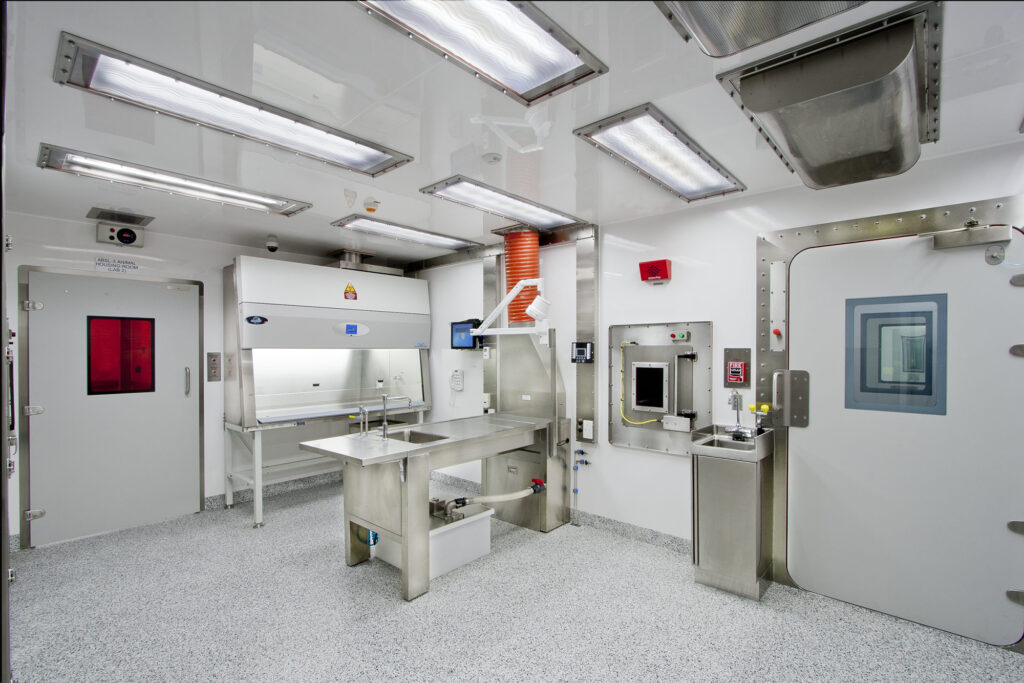
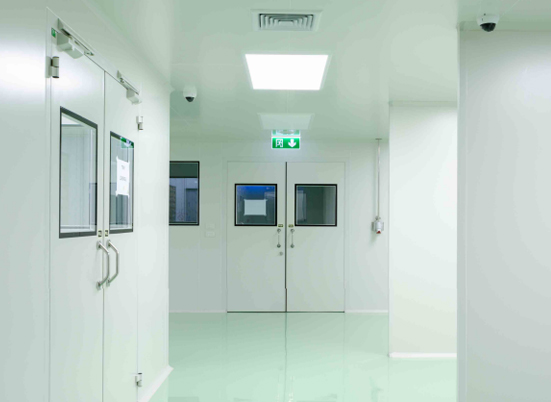
BSL Laboratories Levels:
The four biosafety levels are BSL-1, BSL-2, BSL-3, and BSL-4, with BSL-4 being the highest (maximum) level of containment. There are additional specific rules and designations for animal research (ABSL), agricultural research (BSL-Ag), and other types of research.
Land requirement:
Built-up area required approx. 200 m2 For working of 4 People in a single BSL III & IV Lab
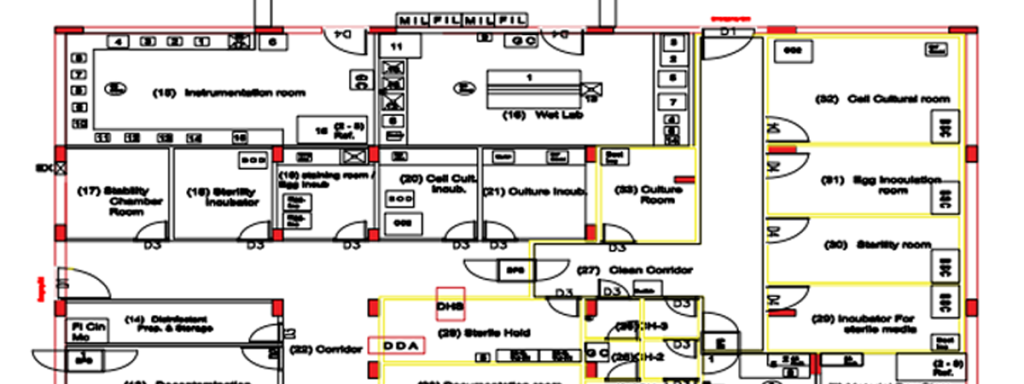
Tentative Layout Overview:
Personnel entry and exit protocols
Waste management and containment of discarded materials from the labs
| # | DESCRIPTION | FLOOR | AREA (Sq. M) |
|---|---|---|---|
| 1 | Most Negative Pressure lab for BSL ¾ for working of 4 people only | Ground | 45 |
| 2 | Ante-room, Entry and Exit areas, Changing and Gowning rooms, Quarantine space, Dirty and Clean corridors, Storage Space, Sterile preparation, Inspection, QC laboratory & Service Area (For Air Handling System & Clean utilities) | Ground | 105 |
| 3 | Utility Department (Outside main Building) at least below the 2 Mtr from the ground floo | Under Ground | 50 |
| Total Built Up Floor Area in Sq. m. | 200 Sq. | ||
Exhaust Treatment
Treating of exhaust air as per guidelines – In BSL Laboratories the air exhaust becomes critical and it must be treated to neutralize the hazardousness in the exhaust air before exhausting it to the atmosphere
DOWNLOAD BROCHURE (PDF)
Understanding BSL Laboratories: BSL-3 and BSL-4 Laboratories, Design, and Construction
In the world of scientific research, especially in the fields of microbiology, virology, and biomedical studies, BSL-3 and BSL-4 Laboratories are essential for handling highly pathogenic and dangerous pathogens. These laboratories, operating under rigorous biosafety protocols, are designed to protect both the researchers and the environment from potentially hazardous biological agents. In this blog, we will explore the various aspects of BSL Laboratories – III & IV, including BSL-3 Laboratory Design and Construction, the significance of High Containment Laboratories, and the protocols for managing Biosafety Level 3 and Level 4 Laboratories.
Table of Contents
Introduction to BSL Laboratories
What Are BSL-3 and BSL-4 Laboratories?
Difference Between BSL-3 and BSL-4 Laboratories
Biosafety Level 3 and Level 4 Laboratories: Design Requirements
BSL-3 Laboratory Design and Construction
High Containment Laboratories: Importance and Challenges
Key Features of BSL-3 and BSL-4 Laboratories
Safety Protocols and Procedures in BSL-3 and BSL-4 Laboratories
BSL Laboratories in Global Health Research
Conclusion
1. Introduction to BSL Laboratories
Biosafety levels (BSL) define the containment protocols required for handling biological agents in laboratory settings. There are four primary Biosafety Levels—BSL-1, BSL-2, BSL-3, and BSL-4—each increasing in containment and safety requirements. The higher the BSL level, the more dangerous the pathogens handled in the laboratory. BSL-3 and BSL-4 Laboratories represent the highest levels of containment, necessary for handling the most hazardous and potentially lethal biological agents.
In this blog, we will focus on BSL-3 and BSL-4 Laboratories, as these labs are pivotal in research related to highly infectious agents like viruses, bacteria, and toxins that can cause severe disease in humans and animals. We will discuss how these labs are designed, constructed, and operated to ensure the safety of laboratory workers and the environment.
2. What Are BSL-3 and BSL-4 Laboratories?
BSL-3 Laboratories are used for handling microorganisms that can cause serious or potentially lethal diseases through inhalation. These include agents like the tuberculosis bacterium, West Nile virus, and SARS-CoV-2. BSL-3 Laboratories are required to be physically separated from other areas in the building and have specialized ventilation systems to ensure air flows from the lab to the outside and does not recirculate into other areas.
On the other hand, BSL-4 Laboratories are the highest containment laboratories, designed for working with highly dangerous and exotic pathogens that pose a high risk of life-threatening disease and for which there is often no cure or vaccine. This includes agents like Ebola, Marburg virus, and smallpox. BSL-4 Laboratories have the most stringent containment requirements and the highest level of safety protocols.
Both BSL-3 and BSL-4 Laboratories are classified as High Containment Laboratories and are typically found in government facilities, research institutes, and universities conducting critical research on viral diseases, biodefense, and infectious diseases.
3. Difference Between BSL-3 and BSL-4 Laboratories
Containment Measures:
BSL-3 Laboratories: These labs have stringent containment protocols, including the use of safety cabinets for handling pathogens, an HEPA-filtered ventilation system to ensure air is exhausted to the outside, and personal protective equipment (PPE) like gloves, lab coats, and respiratory protection.
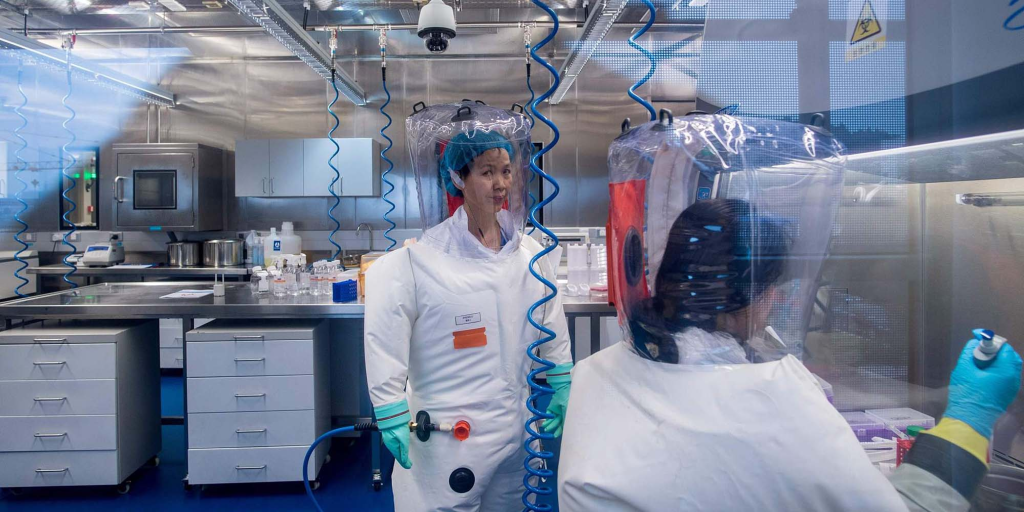
BSL-4 Laboratories: These labs employ even more rigorous containment measures, including full-body, positive-pressure suits with independent air supplies. Workers in BSL-4 Laboratories must enter and exit through an airlock, and the lab itself is often a completely sealed, high-security facility.
Pathogens Handled:
BSL-3 Laboratories: Handle infectious agents such as tuberculosis, HIV, and other viruses that can be transmitted through the air and cause severe disease in humans.
BSL-4 Laboratories: Handle the deadliest pathogens, such as Ebola and other hemorrhagic viruses, that can be fatal even in small amounts and often have no known cure or vaccine.
Safety Protocols:
BSL-3 Laboratories: Require restricted access to the laboratory, thorough decontamination of materials, and a controlled air supply to avoid contamination.
BSL-4 Laboratories: Employ the highest safety protocols, including maximum access control, double-door entry systems, and systems to handle large volumes of potentially dangerous biological waste.
4. Biosafety Level 3 and Level 4 Laboratories: Design Requirements
The design and construction of BSL-3 and BSL-4 Laboratories are driven by strict guidelines and regulations established by organizations like the Centers for Disease Control and Prevention (CDC) and the World Health Organization (WHO). These guidelines ensure that BSL-3 and BSL-4 Laboratories meet the highest safety standards for handling dangerous pathogens.
Key Design Features:
Airflow Control: BSL-3 Laboratories use directional airflow, with air flowing from clean areas to contaminated areas. BSL-4 Laboratories require pressurized, self-contained systems with no exchange of air between the outside and inside environments.
Decontamination Systems: Both BSL-3 and BSL-4 Laboratories have robust decontamination processes, including autoclaves, chemical decontamination systems, and ventilation filters that remove harmful particles and pathogens from the air.
Sealed Spaces: Laboratories must be fully sealed to prevent any leakage of harmful substances. BSL-4 Laboratories use multiple containment barriers to create secure environments for researchers.
5. BSL-3 Laboratory Design and Construction
Structural Requirements:
The construction of a BSL-3 Laboratory follows stringent safety requirements that include:
Separate Building or Isolated Wing: To limit potential exposure to other areas of the facility.
Double-Entry Doors: To create an airlock that ensures the containment of pathogens when workers enter or exit the lab.
Negative Pressure System: To ensure that air moves into the lab from surrounding areas, preventing contaminated air from escaping.
HEPA Filters: Installed in both exhaust and supply systems to trap airborne pathogens before they leave the laboratory.
Equipment and Technology:
Biological Safety Cabinets (BSCs) are essential for safely manipulating infectious materials.
Personal Protective Equipment (PPE) such as N95 respirators, gloves, and gowns are mandatory for anyone working inside the laboratory.
Autoclaves and chemical disinfectants are used to decontaminate tools and waste before disposal.
6. High Containment Laboratories: Importance and Challenges
High Containment Laboratories like BSL-3 and BSL-4 Laboratories play a critical role in safeguarding public health by providing a safe environment to study high-risk pathogens. However, the construction and operation of these labs come with unique challenges:
Cost and Complexity: Building a BSL-3 or BSL-4 Laboratory requires significant financial investment and expertise in architectural design, engineering, and biological safety.
Ongoing Maintenance: The complex systems in these labs, including air filtration, waste disposal, and PPE, require constant monitoring and maintenance to ensure safety.
7. Key Features of BSL-3 and BSL-4 Laboratories
BSL-3 Laboratories:
Access Control: Entry is restricted to authorized personnel who undergo rigorous training.
Containment Equipment: Includes biological safety cabinets, ventilated workspaces, and air filtration systems.
Waste Management: Special protocols for disposing of waste safely and effectively.
BSL-4 Laboratories:
Full-Body Protective Gear: Researchers wear pressurized suits with independent air supplies.
Complete Isolation: These labs are often isolated within secure facilities to prevent any external contamination.
Advanced Decontamination: All materials and equipment are decontaminated before exiting the lab, often via an autoclave or chemical process.
8. Safety Protocols and Procedures in BSL-3 and BSL-4 Laboratories
Safety is the top priority in BSL-3 and BSL-4 Laboratories. These laboratories follow strict protocols to ensure that pathogenic material does not escape, either through accidental exposure to the staff or the environment. Some common protocols include:
Restricted Access: Only authorized personnel who have undergone extensive training can access these labs.
Personal Protective Equipment (PPE): Full-body suits, gloves, respirators, and other protective gear are mandatory in BSL-4 Laboratories, while BSL-3 Laboratories may require respirators and gloves.
Waste Management: All waste is sterilized before being disposed of, ensuring that no harmful agents are released into the environment.
Decontamination and Disinfection: All surfaces and equipment are thoroughly cleaned after each use.
9. BSL Laboratories in Global Health Research
BSL-3 and BSL-4 Laboratories are pivotal in advancing global health research, particularly in the study of emerging infectious diseases. Research on viruses like HIV, Ebola, and SARS requires the highest levels of containment to protect both researchers and the general public. The role of High Containment Laboratories in researching biological threats has become even more crucial as the world faces increasing challenges from pandemics.
10. Conclusion
BSL-3 and BSL-4 Laboratories are critical in the fight against global health threats. The design, construction, and operation of these High Containment Laboratories involve rigorous safety protocols and advanced engineering to ensure the protection of both researchers and the environment. With pathogens becoming increasingly diverse and deadly, the importance of these labs cannot be overstated.
As the world continues to evolve, the need for research in BSL Laboratories – III & IV will only grow. The ongoing development of Biosafety Level 3 and Level 4 Laboratories will be key to addressing future threats, enabling us to better understand and combat some of the most dangerous pathogens on Earth.
By focusing on BSL-3 Laboratory Design and Construction and adhering to the highest safety standards, we can ensure that these vital research centers remain effective in advancing science and protecting global health.
Comprehensive Guide to BSL-3 and BSL-4 Laboratories: Design, Construction, and High Containment Practices
In the world of biosafety and infectious disease research, the terms BSL-3 and BSL-4 laboratories frequently come up. These are specialized facilities designed to handle dangerous pathogens requiring stringent containment measures. Often referred to as Biosafety Level 3 and Level 4 Laboratories, they serve as critical infrastructure for studying highly infectious agents, protecting personnel, the environment, and the public from exposure.
This comprehensive guide explores the characteristics, design, construction, and operational protocols for BSL-3 and BSL-4 laboratories—also known as High Containment Laboratories—with a focus on BSL-3 laboratory design and construction best practices. Whether you are a facility planner, biosafety professional, or researcher, understanding these complex labs is vital to safe and effective infectious disease research.
What Are BSL-3 and BSL-4 Laboratories?
BSL-3 and BSL-4 laboratories represent the highest tiers of biosafety containment, each designed for specific categories of biological agents.
BSL-3 Laboratories are intended for work with pathogens that can cause serious or potentially lethal disease through inhalation. These include Mycobacterium tuberculosis, SARS-CoV-2, and certain viruses like West Nile Virus.
BSL-4 Laboratories handle the most dangerous pathogens, often fatal, with no known treatments or vaccines. These include Ebola virus, Marburg virus, and Lassa fever virus.
Together, these labs are the backbone of research on emerging infectious diseases, biodefense, and vaccine development.
Key Features of BSL-3 and BSL-4 Laboratories
BSL-3 Laboratory Characteristics
A BSL-3 laboratory must provide containment features that limit aerosol transmission and ensure personnel safety. Key features include:
Controlled access zones with restricted entry
Sealed windows, walls, and ceilings for airtight containment
Directional airflow maintained to prevent contaminant escape
HEPA-filtered exhaust air systems
Autoclaves and decontamination facilities on-site
Personal protective equipment (PPE) such as respirators and protective gowns
BSL-4 Laboratory Characteristics
BSL-4 laboratories require even more rigorous containment measures due to the extreme hazard posed by agents handled:
Completely isolated zones, often located in separate buildings or areas
Full-body, air-supplied positive pressure suits for personnel
Multiple airlocks and chemical showers for personnel decontamination
Dedicated air handling systems with double HEPA filtration
Waste decontamination systems with chemical or heat inactivation
Redundant backup systems for power, ventilation, and communications
The Importance of High Containment Laboratories
Both BSL-3 and BSL-4 laboratories are essential for:
Public Health Preparedness: Studying pathogens to develop diagnostics, treatments, and vaccines
Research Safety: Preventing laboratory-acquired infections and environmental release
Biodefense: Addressing threats from potential bioterrorism agents
Global Disease Surveillance: Tracking emerging infectious diseases globally
Their role cannot be overstated, especially in the wake of pandemics such as COVID-19, which underscored the need for advanced BSL-3 laboratory design and construction worldwide.
Designing BSL-3 Laboratories: Best Practices
Designing a BSL-3 laboratory requires a multidisciplinary approach involving architects, engineers, biosafety experts, and regulatory bodies. Here are the critical considerations:
1. Facility Layout and Zoning
Clear zoning of the laboratory space into clean and contaminated zones is essential. This includes:
Entry vestibules with controlled access
Anterooms for gowning and degowning
Separate laboratory rooms for sample handling and analysis
Dedicated decontamination areas
2. HVAC Systems and Airflow Control
A hallmark of BSL-3 laboratory design and construction is maintaining directional airflow:
Air flows from clean to contaminated areas
Exhaust air passes through HEPA filters before release
Negative pressure zones prevent aerosol escape
3. Structural Integrity and Materials
Materials used must withstand frequent decontamination and maintain airtight seals. Examples include:
Seamless epoxy or vinyl flooring
Stainless steel surfaces
Airtight windows and sealed penetrations
4. Safety Equipment and Emergency Protocols
The design incorporates:
Biosafety cabinets (Class II or III) for sample manipulation
Autoclaves for sterilization
Emergency showers and eyewash stations
Alarms for airflow and pressure deviations
5. Compliance and Certification
The facility must comply with guidelines from agencies such as the CDC, NIH, WHO, and local regulatory authorities. Certification and routine inspections are mandatory to maintain BSL-3 laboratory status.
Construction Considerations for BSL-3 Laboratories
Building a BSL-3 laboratory involves unique challenges:
Ensuring airtight construction with specialized sealing methods
Integrating complex HVAC systems with redundancy
Implementing robust waste management systems
Coordinating with electrical and plumbing for safety-critical components
Managing timelines and budgets due to the high complexity
Working with experienced contractors specializing in BSL-3 laboratory design and construction is crucial for success.
The Complexities of BSL-4 Laboratory Design and Construction
BSL-4 laboratories demand an even more sophisticated design and construction approach:
Typically constructed as standalone buildings or within secured zones
Incorporate multiple layers of physical and technical containment
Require specialized air handling units with fail-safe features
Must support personnel wearing positive pressure suits with dedicated air supplies
Employ double-door airlocks with decontamination showers
These features require collaboration among engineers, biosafety experts, and architects with niche expertise in high containment laboratories.
Operational Protocols in BSL-3 and BSL-4 Laboratories
Design and construction are only part of the equation. Proper operational protocols ensure ongoing safety:
Personnel Training: Intensive biosafety and emergency response training
Access Control: Restricted, logged, and supervised entry
Routine Decontamination: Frequent cleaning with effective disinfectants
Waste Management: Inactivation and safe disposal of infectious waste
Monitoring Systems: Continuous surveillance of airflow, pressure, and filtration
Challenges in Maintaining BSL-3 and BSL-4 Laboratories
Cost: Construction and maintenance involve significant investment
Technical Complexity: Systems require constant monitoring and upkeep
Personnel Safety: Requires strict adherence to protocols and PPE usage
Regulatory Compliance: Ongoing documentation, audits, and recertifications
Public Perception: Addressing concerns regarding safety and transparency
Innovations in High Containment Laboratory Design
Recent advances are helping optimize BSL-3 and BSL-4 laboratories:
Use of smart building management systems for real-time monitoring
Modular construction techniques to reduce build times
Enhanced materials resistant to harsh disinfectants
Improved PPE designs for greater comfort and safety
Integration of robotics for sample handling to reduce human exposure
Case Studies: Successful BSL-3 and BSL-4 Laboratory Projects
Many countries have invested heavily in BSL-3 laboratory design and construction to bolster infectious disease capabilities:
The National Emerging Infectious Diseases Laboratories (NEIDL) in the USA is a flagship BSL-4 laboratory with advanced containment features.
Germany’s Robert Koch Institute operates multiple BSL-3 laboratories supporting infectious disease research.
India has ramped up high containment laboratories amid COVID-19 for diagnostics and vaccine development.
These examples highlight the importance and complexity of such facilities globally.
Conclusion: The Future of BSL-3 and BSL-4 Laboratories
BSL-3 and BSL-4 laboratories are indispensable tools in combating infectious diseases. Their careful design, meticulous construction, and stringent operational protocols ensure safe handling of dangerous pathogens. As emerging diseases and bioterrorism threats evolve, investments in high containment laboratories remain critical.
For those involved in planning, designing, or operating such facilities, understanding the nuances of BSL-3 laboratory design and construction and broader BSL-3 and BSL-4 laboratory requirements is essential. Partnering with experienced experts ensures compliance, safety, and operational excellence.
Contact Us
If you are planning to build or upgrade your BSL-3 or BSL-4 laboratory, our team offers comprehensive consultancy, design, and construction services tailored to meet stringent biosafety standards.
BSL LABORATORIES - III and IV
Table of Contents
Toggle