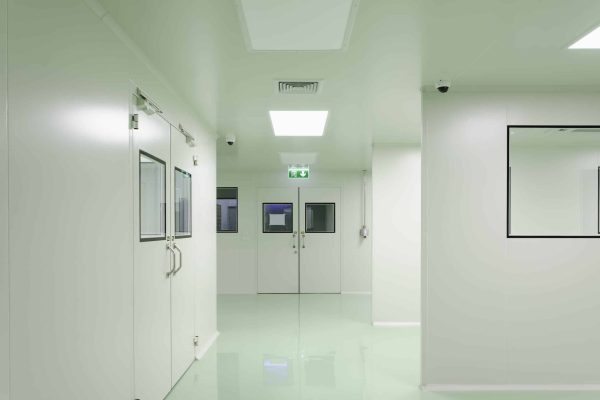
A clean, sterile, and compliant environment is fundamental to pharmaceutical and biotechnology manufacturing. One of the most underappreciated yet critical elements in such facilities is the flooring. Among many options, GMP-grade epoxy flooring stands out for its durability, chemical resistance, and hygienic properties—making it an essential component of cleanroom projects. But what exactly makes epoxy flooring GMP-ready? And how does Spectrokavs deliver reliable, high-performance floors tailored to the pharma industry?
In this comprehensive guide, we explain:
What GMP epoxy flooring is
Why it’s ideal for pharmaceutical environments
The different types and application techniques
Regulatory compliance and best practices
Spectrokavs’ approach to cleanroom epoxy flooring
What Is GMP Epoxy Flooring?
GMP epoxy flooring refers to epoxy-based resinous flooring systems designed for pharmaceutical, biotech, food, and healthcare environments that must comply with Good Manufacturing Practice (GMP) standards. These floors:
Are seamless, preventing microbial and particulate accumulation
Offer excellent resistance to chemicals, cleaning agents, and abrasion
Can be tailored with anti-slip textures or even static-dissipative properties
Integrate with coves and drains for full hygienic workflows
At Spectrokavs, epoxy flooring is a core in‑house capability, offered alongside cleanroom panels, furniture, HVAC systems, and more
Why Pharma Facilities Prefer GMP Epoxy Floors
1. Hygienic, Seamless Design
Epoxy systems form continuous, joint-free surfaces, unlike tiles which trap dirt in seams. This seamless nature significantly reduces contamination hot spots .
2. Chemical & Sterilization Durability
Sterile areas routinely use aggressive cleaning agents—such as hydrogen peroxide or quaternary ammonium compounds. GMP epoxy flooring withstands:
caustic CIP solvents
aggressive disinfectants
routine heavy sterilization cycles
According to industry best practices, resin floors are vital for resisting sterilization demands in pharmaceuticals
3. Mechanical and Abrasion Strength
From heavy foot traffic to cart movement and occasional trolley impacts, epoxy floors—especially those reinforced or troweled—handle the wear and tear of active production zones.
4. Customizability for Safety Needs
Depending on the area’s function, epoxy floors can be:
Self-leveling and ultra-smooth for aseptic zones
Textured or anti-slip in prep or gowning areas
ESD-rated for handling static-sensitive materials
5. Regulatory Compliance
Epoxy floors support compliance with ISO 14644, EU GMP Annex 1, and US FDA cGMP standards. Their non-porous, easy-clean surfaces reduce risks of microbial harborage.
Types of GMP Epoxy Flooring Systems
| System Type | Features & Applications |
|---|---|
| Self-Leveling Epoxy | Smooth, glossy finish ideal for Grade A/B/ISO 5–6 cleanrooms |
| Troweled Epoxy Quartz | Filled with quartz for strength & slight texture—ideal for transit zones |
| Anti-Slip Epoxy | Matte or grit-infused to prevent slip in gowning or entry zones |
| ESD Epoxy | Static-dissipative, used near sensitive electronic equipment |
| Epoxy Urethane/Polyurethane Topcoat | For extra chemical/UV resistance in harsh environments |
GMP Epoxy Flooring: Materials & Standards
Industry-standard epoxy flooring typically includes:
Two-component epoxy resin (binder + curing agent) meeting ASTM standards:
Viscosity: ~3000–5000 mPa·s
Cured hardness: Shore D 74–82
Aggregate/resin mortar for troweled systems
Urethane seals or topcoats to lock down surface gloss & wear
Optional ESD grounding layers in static-sensitive zones
Materials meet ISO 9001 or MSDS certifications and support GMP workflows
Installation & Quality Assurance
Subfloor preparation
Mechanically grind floor to remove dust, seal cracks, and ensure adhesion
Primer application
Thin epoxy coat enhances bond with subfloor
Mortar layer (if using troweled quartz)
Apply aggregate-laced epoxy at 3/16–1/4 inch thickness
Finish/topcoat
Two thin layers of epoxy, urethane, or anti-slip surface for durability
Curing & validation
Keep area clean and dry during curing (6–24 hours); validate using straightedge tests for levelness
Spectrokavs uses trained technicians and robust QA systems to ensure flawless installation every time.
Flooring in GMP Cleanroom Workflow
Grade A/B (ISO 5/4) zones: Self-leveling epoxy with high chemical resistance
Grade C/D prep areas: Troweled epoxy-mortar with textured finishes
Gowning & transfer zones: Anti-slip epoxy coves and integrated drains
Walkways & corridors: Durable epoxy with light colors for visibility and hygiene
ESD-sensitive labs: Dedicated dissipative flooring systems
Spectrokavs configures flooring solutions zone-by-zone based on risk profiles and regulatory demands.
Benefits of Choosing Spectrokavs for GMP Flooring
In-house expertise: Part of a turnkey cleanroom solutions provider Full integration: Seamless coordination with walls, furniture, HVAC, and utilities
Compliance confidence: Floors meet cGMP, ISO, NABL, and NABH criteria
Global best practices: Incorporating industry-standard methods and materials
Operational efficiency: Fast, clean installations that minimize downtime
Maintenance & Lifecycle Management
To ensure longevity, Spectrokavs provides:
Routine cleaning regimes using low‑VOC agents
Slip and chemical resistance testing annually
Scheduled recoats and repairs based on wear maps
AMC options to proactively manage floor condition and performance
Case Study Snapshot: GMP Flooring for Mumbai Pharma Plant
Challenge: A Mumbai-based sterile injectables facility needed Grade A/B epoxy flooring integrated with cleanroom panels and HVAC at a giga-plant scale
Solution:
Self-leveling epoxy floor aligned to ISO 5 standards
Anti-slip textured cove zones and seamless integration with drains
Coordinated installation sequence to align with cleanroom construction
Result:
First-pass regulatory validation
Zero hygiene non-conformances in audits
Flooring life expectancy of 10+ years
Why GMP Epoxy Flooring Matters for Pharma
Product contamination control: Seamless, cleanable surfaces reduce cross-contamination risk
Asset protection: Floors withstand chemicals and abrasion, reducing lifecycle costs
Regulatory compliance: Demonstrated alignments to ISO, GMP, FDA standards
Operational uptime: Fast curing and minimal disruption help maintain production
FAQs
Q1: How long does epoxy flooring last in GMP applications?
With proper installation and maintenance, life spans of 8–15 years are typical.
Q2: Can existing concrete floors be upgraded?
Yes—good subfloor prep and epoxy bonding systems can retrofit older facilities.
Q3: Is epoxy flooring anti-slip?
Absolutely. Various textures and grit embeds are available per zone demands.
Q4: How much downtime is required?
Typically 24–48 hours for installation and curing; accelerated systems can reduce this.
Q5: Does it emit VOCs?
Spectrokavs uses low-VOC, GMP-grade resins, fully compliant with cleanroom safety.
Conclusion
GMP epoxy flooring isn’t just a surface—it’s a strategic asset in pharmaceutical operations. It ensures regulatory compliance, maintains hygiene, and enhances lifecycle performance. At Spectrokavs, we blend flooring expertise with end-to-end cleanroom engineering, delivering seamless installations, validated performance, and turnkey support tailored for Mumbai and global pharmaceutical ecosystems.
The Ultimate Guide to Pharma-Grade Epoxy Flooring Solutions for Cleanrooms
In the pharmaceutical manufacturing world, every component of your facility—right down to the floors—matters. Cleanrooms are built for precision, control, and sterility, and while walls, air systems, and personnel practices are often emphasized, flooring is equally critical. That’s where the right GMP Compliant Flooring Solutions come into play.
From Pharmaceutical Cleanroom Flooring to Epoxy Flooring for Sterile Environments, the role of a robust, hygienic, and validated flooring system cannot be overstated. These floors are engineered to withstand frequent cleaning, resist chemical exposure, and support the sterile environment requirements set forth by GMP (Good Manufacturing Practices) and global regulatory authorities.
This comprehensive guide explores everything you need to know about selecting and maintaining GMP Compliant Flooring Solutions, with a focus on Seamless Epoxy Flooring for Pharma applications.
Why Flooring Matters in Pharma Cleanrooms
When it comes to Pharmaceutical Cleanroom Flooring, the goal is simple: minimize contamination risks while enhancing durability and cleanability. The floor is the most trafficked surface in any facility, making it a hotspot for dirt, bacteria, chemical exposure, and mechanical stress. Without the right flooring system, pharmaceutical production is at risk of contamination, compliance failures, and safety hazards.
High-performance Epoxy Flooring for Sterile Environments has become the gold standard for GMP-compliant facilities due to its seamless nature, resistance to microbial growth, and ease of cleaning.
Understanding the Need for GMP Compliant Flooring Solutions
Let’s break down what GMP Compliant Flooring Solutions actually mean in a regulated pharmaceutical environment.
1. Regulatory Compliance
Cleanroom flooring must comply with regulations like:
WHO-GMP
EU GMP (Annex 1)
US FDA cGMP
ISO 14644
The use of certified materials and hygienic finishes ensures that Pharmaceutical Cleanroom Flooring passes regulatory audits.
2. Contamination Control
In sterile manufacturing zones, flooring must not shed particles or harbor microbial growth. That’s why Seamless Epoxy Flooring for Pharma is used—it prevents gaps, cracks, and joints where microbes could proliferate.
3. Chemical & Mechanical Resistance
The flooring in Epoxy Flooring for Sterile Environments is engineered to resist corrosive cleaning agents, disinfectants, alcohols, and mechanical loads from carts, trolleys, and personnel traffic.
Features of High-Performance Pharmaceutical Cleanroom Flooring
The selection of the right Pharmaceutical Cleanroom Flooring is not just about surface aesthetics—it’s a functional decision with compliance, safety, and lifecycle implications.
✅ Seamless and Non-Porous
Seamless Epoxy Flooring for Pharma eliminates joints and grout lines, ensuring a continuous surface that does not absorb liquids or support microbial growth.
✅ High Chemical Resistance
Most Epoxy Flooring for Sterile Environments can withstand repeated exposure to hydrogen peroxide, quaternary ammonium, phenols, sodium hypochlorite, and other strong disinfectants.
✅ Easy to Clean and Maintain
The smoother and more durable the floor, the easier it is to clean and validate. GMP Compliant Flooring Solutions often incorporate coving and slope-to-drain designs to assist in complete wash-down and sterilization.
✅ Anti-Slip and Safety Enhancements
While maintaining sterility, Pharmaceutical Cleanroom Flooring can be customized for different levels of slip resistance, based on the area’s function.
✅ Electrostatic Discharge (ESD) Options
For API and sensitive process zones, Seamless Epoxy Flooring for Pharma can be enhanced with anti-static or conductive layers to meet ESD safety standards.
Application Areas for Epoxy Flooring in Pharma
Different cleanroom zones demand different flooring solutions. Here’s how Epoxy Flooring for Sterile Environments fits into pharmaceutical plant design:
Area Recommended Flooring
Aseptic Filling Zones Seamless, high-gloss epoxy resin with coving
QA/QC Labs Anti-static epoxy with low VOC emissions
Gowning Rooms Anti-slip epoxy with antimicrobial properties
Packaging Zones Chemical-resistant and abrasion-proof flooring
R&D Cleanrooms Self-leveling epoxy with easy-clean surfaces
HVAC Technical Areas Durable trowel-applied epoxy quartz system
Every zone benefits from GMP Compliant Flooring Solutions, tailored to specific process needs.
Types of Epoxy Flooring for Sterile Environments
1. Self-Leveling Epoxy
A smooth and shiny finish ideal for Pharmaceutical Cleanroom Flooring. It ensures easy cleaning and seamless flow across walls and drains.
2. Troweled Epoxy Quartz Flooring
A high-strength system ideal for mechanical wear areas. Adds texture and slip-resistance without compromising hygiene.
3. Antimicrobial Epoxy
A specialized coating that inhibits microbial growth—perfect for Seamless Epoxy Flooring for Pharma zones requiring sterile processing.
4. Anti-Static Epoxy (ESD Safe)
For API zones or electronic-sensitive areas, this Epoxy Flooring for Sterile Environments provides conductivity and safety.
5. Polyurethane Topcoats
Often used in conjunction with epoxy bases to provide UV resistance and an extra layer of protection.
Installation Considerations for Seamless Epoxy Flooring for Pharma
Professional installation is key to the long-term performance of any GMP Compliant Flooring Solution. Here’s what the process typically looks like:
Surface Preparation
Grinding or shot-blasting the concrete substrate ensures proper bonding of the epoxy layer.
Primer Application
This helps seal the surface and enhance adhesion.
Base Coat Application
A thick epoxy layer (1–3mm) is applied to achieve the seamless, durable surface.
Optional Aggregate Layer
Used to add texture or enhance chemical resistance.
Topcoat Finish
May include UV protectant, antimicrobial properties, or ESD features.
Each step ensures that your Pharmaceutical Cleanroom Flooring delivers maximum lifecycle value and regulatory compliance.
Common Problems Avoided by GMP Compliant Flooring Solutions
Poor flooring can lead to:
Cracking or peeling
Contaminant accumulation
Failed inspections
Downtime and batch rejection
Personnel safety hazards
The use of Seamless Epoxy Flooring for Pharma eliminates these risks by providing a smooth, cleanable, and resilient foundation for manufacturing.
Maintenance Best Practices for Pharmaceutical Cleanroom Flooring
To keep your Epoxy Flooring for Sterile Environments performing optimally:
Use pH-neutral cleaning agents approved for epoxy surfaces.
Avoid abrasive cleaning tools that might scratch the surface.
Schedule regular inspection for cracks, discoloration, or delamination.
Recoat areas that experience heavy mechanical wear or chemical spillage.
Spectrokavs offers complete AMC (Annual Maintenance Contracts) for GMP Compliant Flooring Solutions.
How Spectrokavs Leads in Pharma Flooring Design
With over a decade of experience in pharma infrastructure, Spectrokavs offers:
✅ Customized Pharmaceutical Cleanroom Flooring solutions
✅ Fully compliant with GMP, ISO, and FDA standards
✅ Integration with walls, ceilings, HVAC, and cleanroom furniture
✅ Zone-based design strategies for optimal performance
✅ Use of low-VOC, solvent-free resins for cleanroom safety
Whether you’re building a new plant or upgrading an existing one, our team ensures your Epoxy Flooring for Sterile Environments meets current and future regulatory demands.
Real-World Application: Pharma Plant in Navi Mumbai
A sterile injectable facility in Navi Mumbai approached us for their cleanroom flooring overhaul. The challenges included:
Cracking and peeling old tiles
Non-compliance with new EU GMP guidelines
Difficulty cleaning jointed floors
Solution: We installed Seamless Epoxy Flooring for Pharma throughout their production and gowning zones.
Result:
Cleanroom achieved ISO 5 classification
Passed EU GMP audit without flooring-related NCs
Reduced cleaning and maintenance time by 40%
This success story highlights the power of GMP Compliant Flooring Solutions.
Frequently Asked Questions (FAQs)
Q1: How long does pharmaceutical epoxy flooring last?
10–15 years with proper maintenance and minimal rework.
Q2: Is epoxy flooring suitable for API plants?
Yes, with added ESD or chemical-resistant features depending on process risks.
Q3: Can epoxy flooring be repaired or patched?
Yes. Localized patch repairs and recoating are common with the right technician.
Q4: How does seamless flooring improve hygiene?
It eliminates gaps, joints, and seams—reducing microbial harborage.
Q5: What colors are available?
Multiple color options help zone markings, SOPs, and visibility of dirt/spills.
Final Thoughts
Choosing the right Pharmaceutical Cleanroom Flooring is not just a construction decision—it’s a regulatory, operational, and hygienic investment. The integration of Epoxy Flooring for Sterile Environments ensures you’re building on a foundation that supports clean processes, safety, and compliance.
With Seamless Epoxy Flooring for Pharma, you gain more than just aesthetics—you build trust with regulators, enhance product safety, and reduce downtime due to maintenance or failures.
Let Spectrokavs help you implement world-class, GMP Compliant Flooring Solutions that are built for today’s pharma challenges and tomorrow’s innovations.
Contact Us
📞 Call Now: +91-9967436808
📧 Email: [email protected]
🌐 Website: https://spectrokavs.com
Build cleaner, safer, and more compliant environments—from the floor up.
Pharmaceutical Cleanroom Flooring
The Ultimate Guide to Pharmaceutical Cleanroom Flooring and GMP Compliant Solutions
In the pharmaceutical industry, where hygiene and contamination control are critical, the smallest design elements can impact product quality, regulatory compliance, and patient safety. One often-overlooked yet vital element is the flooring system. Specifically, pharmaceutical cleanroom flooring plays a critical role in maintaining sterile conditions, ensuring long-term durability, and meeting stringent Good Manufacturing Practice (GMP) regulations.
This guide explores why epoxy flooring for sterile environments has become the standard in pharma facilities and why seamless epoxy flooring for pharma is considered a best-in-class solution. We’ll also dive deep into GMP compliant flooring solutions, their importance, benefits, and how to choose the right system for your facility.
🧪 Why Pharmaceutical Cleanroom Flooring Matters
Cleanrooms in pharmaceutical settings are high-controlled environments that require specialized building materials to minimize contamination, support sanitation, and resist chemical exposure. Pharmaceutical cleanroom flooring must withstand foot traffic, wheeled equipment, spills, and aggressive cleaning routines — all while remaining impermeable and free of microbial growth.
An inferior floor can lead to:
Microbial contamination from cracks or joints
Deterioration under harsh cleaning chemicals
GMP violations and potential regulatory shutdowns
That’s why GMP compliant flooring solutions are more than just a preference — they’re a necessity for pharmaceutical manufacturers.
🧼 What Makes Epoxy Flooring Ideal for Sterile Environments?
Epoxy flooring for sterile environments is the industry standard in cleanrooms because it delivers exceptional performance under extreme conditions. Epoxy coatings form a non-porous, seamless, and chemically resistant surface that aligns perfectly with pharmaceutical hygiene standards.
Key Benefits:
Seamless surface with no joints or grout lines to harbor microbes
Chemical resistance to withstand aggressive disinfectants and cleaning agents
Durability to handle heavy traffic and operational loads
Easy maintenance with fast-cleaning and stain resistance
Customizable finishes (anti-slip, conductive, etc.)
For pharmaceutical facilities that demand 100% compliance and zero tolerance for contamination, epoxy flooring for sterile environments is the safest and most reliable choice.
🔄 The Power of Seamless Epoxy Flooring for Pharma Facilities
Among the epoxy options available, seamless epoxy flooring for pharma facilities provides a high level of protection. Traditional tile or vinyl floors often have seams or grout lines, which can crack or degrade over time — creating pathways for microbial growth.
With seamless epoxy flooring for pharma, the floor is poured and applied as a liquid, curing into a single, unbroken surface. This completely eliminates weak points where bacteria, dust, or moisture can accumulate.
Why Pharma Chooses Seamless Epoxy:
Ensures contamination control in ISO-classified environments
GMP Epoxy Flooring
Minimizes maintenance and costly repairs
Supports smooth movement of carts, trolleys, and equipment
Helps meet regulatory demands from bodies like the FDA and EMA
By investing in seamless epoxy flooring for pharma, companies gain peace of mind and simplify their path to compliance.
⚖️ Meeting GMP Standards with the Right Flooring
Compliance with GMP (Good Manufacturing Practice) is non-negotiable in the pharmaceutical industry. That means every material used in cleanroom construction — including floors — must meet strict standards for hygiene, safety, and performance.
What is GMP Compliant Flooring?
GMP compliant flooring solutions are flooring systems that are:
Resistant to chemicals and biological agents
Impervious to moisture
Free of cracks, seams, or porous materials
Easy to clean and maintain
Safe and non-slip
GMP Epoxy Flooring
Regulatory agencies like the FDA, WHO, and EU GMP authorities require that pharmaceutical cleanroom flooring is capable of preventing cross-contamination and upholding sterile conditions — and epoxy systems deliver just that.
🧱 Where Pharmaceutical Cleanroom Flooring Is Used
Pharmaceutical cleanroom flooring is essential across various facility types, including:
API manufacturing units
Sterile injectable plants
GMP Epoxy Flooring
Tablet and capsule production lines
Quality control laboratories
Packaging and labeling zones
Research and development labs
Vaccine manufacturing facilities
In each of these settings, epoxy flooring for sterile environments helps maintain strict hygiene protocols and supports the facility’s operational efficiency.
🔍 How to Choose the Right GMP Compliant Flooring Solutions Not all epoxy floors are created equal. Selecting the right GMP compliant flooring solution for your facility involves several considerations:
1. Environmental Conditions
Will the floor be exposed to extreme temperatures, heavy loads, or chemical spills? Choose a formulation designed for your specific needs.
2. Cleanroom Classification
ISO Class 5 to Class 8 cleanrooms have different air cleanliness and hygiene requirements. The higher the class, the more robust the seamless epoxy flooring for pharma must be.
3. Slip Resistance
Especially in wet areas, it’s critical to balance hygiene with safety. Choose anti-slip textures while maintaining cleanability.
4. ESD Control
In pharmaceutical environments with electronic or flammable materials, electrostatic discharge (ESD) control is essential. Epoxy floors can be made conductive or dissipative to manage this.
5. Certifications and Documentation
Always verify that your chosen flooring system is certified and tested according to relevant GMP and cleanroom standards.
GMP Epoxy Flooring
🛠️ Installation and Maintenance of Epoxy Flooring
Proper installation of epoxy flooring for sterile environments is as important as the material itself. Professional installation ensures a seamless, uniform finish and minimizes future maintenance costs.
GMP Epoxy Flooring
Installation Best Practices:
Surface preparation via grinding or shot-blasting
Crack and joint treatment
Multiple coats for durability and chemical resistance
Optional topcoats for UV, skid, or ESD protection
Maintenance:
Daily cleaning with GMP-approved detergents
Scheduled inspections for wear or damage
Fast re-coating or patching if surface integrity is compromised
With proper care, seamless epoxy flooring for pharma can last 10–15 years or longer, offering incredible ROI and continuous compliance.
🌍 Sustainability in Pharmaceutical Cleanroom Flooring
As pharmaceutical companies move toward more eco-conscious operations, GMP compliant flooring solutions are evolving too. Today’s epoxy floors can be:
Low-VOC and solvent-free
Manufactured with recycled materials
Installed with minimal downtime and waste
By choosing sustainable pharmaceutical cleanroom flooring, companies align environmental responsibility with operational excellence.
🔚 Conclusion: Invest in the Right Floor for Compliance and Confidence
Your floor is more than a surface — it’s a critical part of your cleanroom’s containment strategy. Whether you’re building a new facility or renovating an existing one, choosing the right pharmaceutical cleanroom flooring is a foundational step in achieving long-term compliance, durability, and operational efficiency.
From epoxy flooring for sterile environments to seamless epoxy flooring for pharma and fully GMP compliant flooring solutions, the right system will protect your people, products, and processes from contamination and risk.
Don’t compromise on quality. Partner with a trusted epoxy flooring specialist to ensure your cleanroom stays clean — and your compliance never wavers
The Role of Flooring in Cross-Contamination Prevention
In pharmaceutical environments, cross-contamination is one of the most serious risks that manufacturers must avoid. Contaminated products can result in recalls, regulatory penalties, or worse — harm to end users. That’s why pharmaceutical cleanroom flooring must act as a first line of defense against contaminants, bacteria, and particulates.
Unlike tile or vinyl flooring, which can harbor particles in seams and joints, seamless epoxy flooring for pharma eliminates those risk zones. Its non-porous surface prevents absorption of fluids, bacteria, or airborne particles, helping maintain strict cleanroom classifications.
Moreover, the integration of epoxy flooring for sterile environments into facility-wide contamination control plans helps maintain ISO Class 5 to 8 requirements. When paired with wall systems, coved edges, and HEPA filtration, the floor becomes part of a complete cleanroom envelope that protects both product and personnel.
🧰 Custom Flooring Features for Pharmaceutical Applications
One of the advantages of GMP compliant flooring solutions is their customizability. Epoxy systems can be tailored with specific features to support diverse pharma operations.
Popular Custom Features:
Cove Base Integration: Epoxy floors can be extended up the wall (typically 4–6 inches) to form a seamless transition that eliminates wall-floor crevices.
Color Zoning: Different colors can define high-risk areas, workflow zones, or traffic lanes, supporting Lean 5S and GMP zoning protocols.
Thermal Shock Resistance: In cleanrooms that use hot water or steam sterilization, special epoxy formulations resist rapid temperature changes.
Antimicrobial Additives: For maximum hygiene, some epoxy flooring for sterile environments can be enhanced with antimicrobial coatings to prevent mold and bacterial growth.
These customizable elements help facilities achieve both operational efficiency and regulatory readiness.
🔧 Repair and Refurbishment of Epoxy Cleanroom Floors
Even the most durable pharmaceutical cleanroom flooring may require touch-ups or re-coating over time due to wear and tear. Luckily, epoxy systems are relatively easy to repair without shutting down entire production areas for long periods.
Common Maintenance & Repair Strategies:
Crack Sealing: Epoxy filler compounds can reseal small cracks or gouges quickly.
Spot Recoating: Damaged zones can be recoated while keeping adjacent areas operational.
Full System Renewal: After 10–15 years, full resurfacing may be scheduled during planned facility shutdowns.
Having a maintenance plan in place ensures that your GMP compliant flooring solutions continue to meet regulatory standards year after year.
🧭 Choosing the Right Contractor for Pharma Epoxy Floors
Not every flooring contractor understands the specialized requirements of pharmaceutical environments. Choosing the right partner for your seamless epoxy flooring for pharma project is crucial.
Look for These Qualities:
Proven experience in pharmaceutical cleanroom flooring
Familiarity with GMP and ISO cleanroom requirements
Use of FDA-compliant, low-VOC materials
Ability to deliver on tight schedules and coordinate with other contractors
Strong after-installation support and warranty
A trusted contractor will not only deliver a flawless epoxy flooring for sterile environments solution but will also help you navigate audits, documentation, and future maintenance needs.
🎯 Final Thoughts
In the pharmaceutical industry, flooring is a compliance-critical component, not a design afterthought. Whether you are building a new cleanroom, expanding a sterile processing area, or upgrading your facility to meet new GMP requirements, investing in seamless epoxy flooring for pharma ensures long-term protection, performance, and peace of mind.
From operational safety to microbial control and GMP certification, epoxy flooring for sterile environments delivers results that go far beyond the surface. Choose the right GMP compliant flooring solution, and you’ll not only safeguard your products but also secure your place as a trusted player in the pharmaceutical market.
Table of Contents
Toggle